The Engagement-First Workforce Model
Why workforce development must start with engagement — not requirements — and how gaming becomes the front door to lasting career pathways.
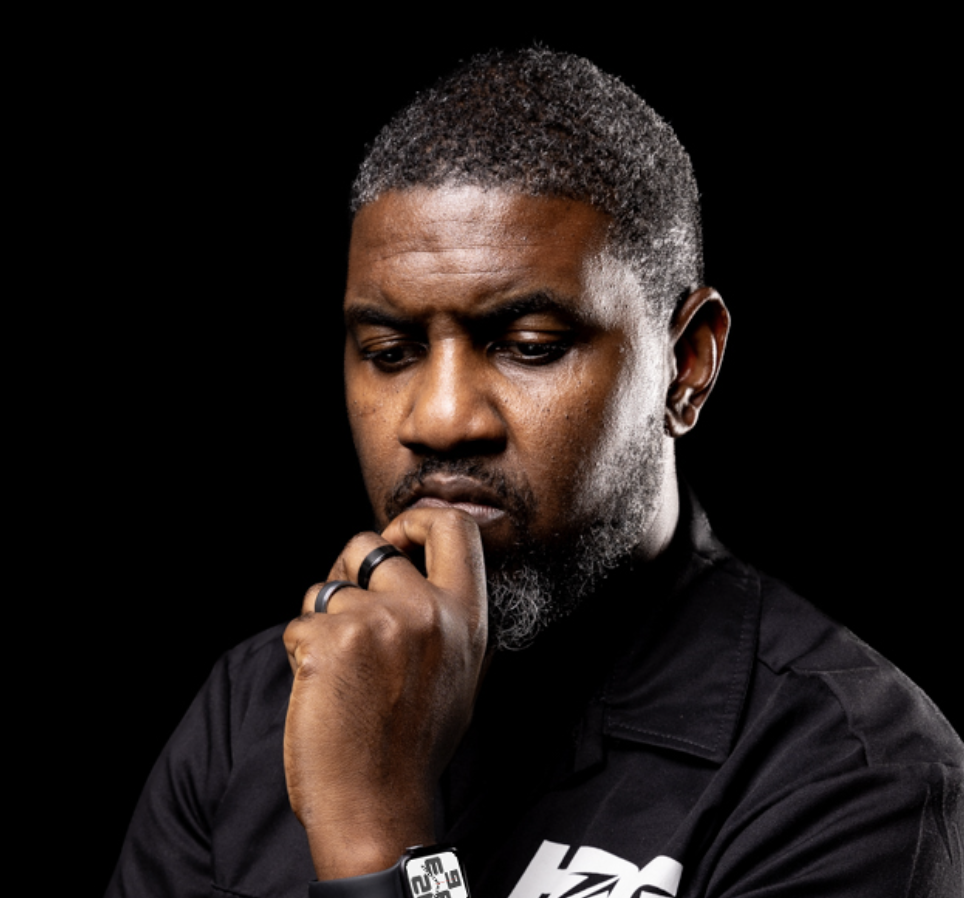
Derek Watford
Founder, High Point Gamer
Traditional workforce programs often begin with a flawed assumption: if people need jobs, they will naturally engage with training.
In reality, many workforce initiatives struggle because they lead with requirements instead of motivation. They ask people to commit to systems they do not yet feel connected to. Applications. Intake forms. Attendance rules. Mandatory coursework. Long pathways with delayed rewards.
The result is predictable:
- —Low enrollment
- —Poor retention
- —Weak enthusiasm
- —Limited long-term outcomes
At High Point Gamer, we believe workforce development should begin somewhere else: Engagement first. Opportunity second. Pathway third. That is the foundation of the Engagement-First Workforce Model.
Why Traditional Workforce Models Miss the Mark
Many workforce programs are built logically — but not psychologically. They are designed around compliance, eligibility, curriculum completion, and administrative efficiency. Those elements matter. But they often ignore the most important variable: human attention.
People do not commit deeply to pathways they do not feel emotionally connected to. Especially younger audiences. If a program feels disconnected from identity, interests, culture, or excitement, participation becomes transactional. And transactional participation rarely transforms lives.
"Transactional participation rarely transforms lives."
The HPG Difference: Start With What People Already Love
Our model starts with high-interest engagement points:
- —Gaming
- —Technology
- —Content creation
- —Competition
- —Community
- —Emerging tools
These are not distractions from workforce development. They are entry points into workforce development. When someone shows up consistently because they enjoy the environment, trust can be built. Skills can be introduced. Pathways can be revealed. That changes everything.
The Three-Stage Model
Stage 01
Engagement
This is where attention is earned. Instead of asking participants to care about distant outcomes, we create spaces they want to be part of now — gaming labs, esports leagues, podcast rooms, drone experiences, robotics sessions, creator challenges.
Get people in the room. Get them returning. Get them invested.
Stage 02
Skill Transfer
Once engagement exists, learning becomes easier. Participants are receptive to communication skills, teamwork, troubleshooting, time management, leadership, technical fluency, creative production, and entrepreneurial thinking — because they are learning inside an environment they already value.
Stage 03
Career Pathways
After trust and confidence are built, career conversations land differently. IT careers, media production, FAA controller pathways, drone services, marketing, entrepreneurship — the pathway no longer feels abstract.
It feels possible.
Why This Works Better
The Comparison
Traditional Model
Requirements → Hope for engagement
HPG Model
Engagement → Skill growth → Pathways
That sequence matters. People stay longer in environments they enjoy. They learn more in environments they trust. They pursue careers they can finally see themselves in.
Real-World Example: Skills Lab
The Skills Lab demonstrates this model in practice. A young person may arrive interested only in gaming. But through the environment they are exposed to streaming equipment, production tools, robotics, digital design, leadership roles, team collaboration, and career conversations.
What started as recreation becomes readiness. That is infrastructure.
Why Organizations Should Pay Attention
If you run a school, nonprofit, city program, workforce board, community center, or youth development initiative — you are competing for attention whether you realize it or not. Programs that fail to engage lose before they begin.
"Engagement is not extra. It is the front door."
Final Thought
At High Point Gamer, we don't see gaming as the end goal. We see it as one of the most powerful engagement tools of this generation. Used correctly, it becomes the starting point for careers, confidence, and economic mobility.
That is the Engagement-First Workforce Model.
About the Author
Derek Watford
Derek Watford is the founder of High Point Gamer and a systems architect focused on building infrastructure that converts community engagement into economic opportunity. He speaks, writes, and deploys.
Book a Strategy Call arrow_forward