Scalability Is Not a Tech Problem
When growth stalls, most organizations blame resources. The real barrier to scale is usually not technology — it's system design. Here's what to fix before you expand.
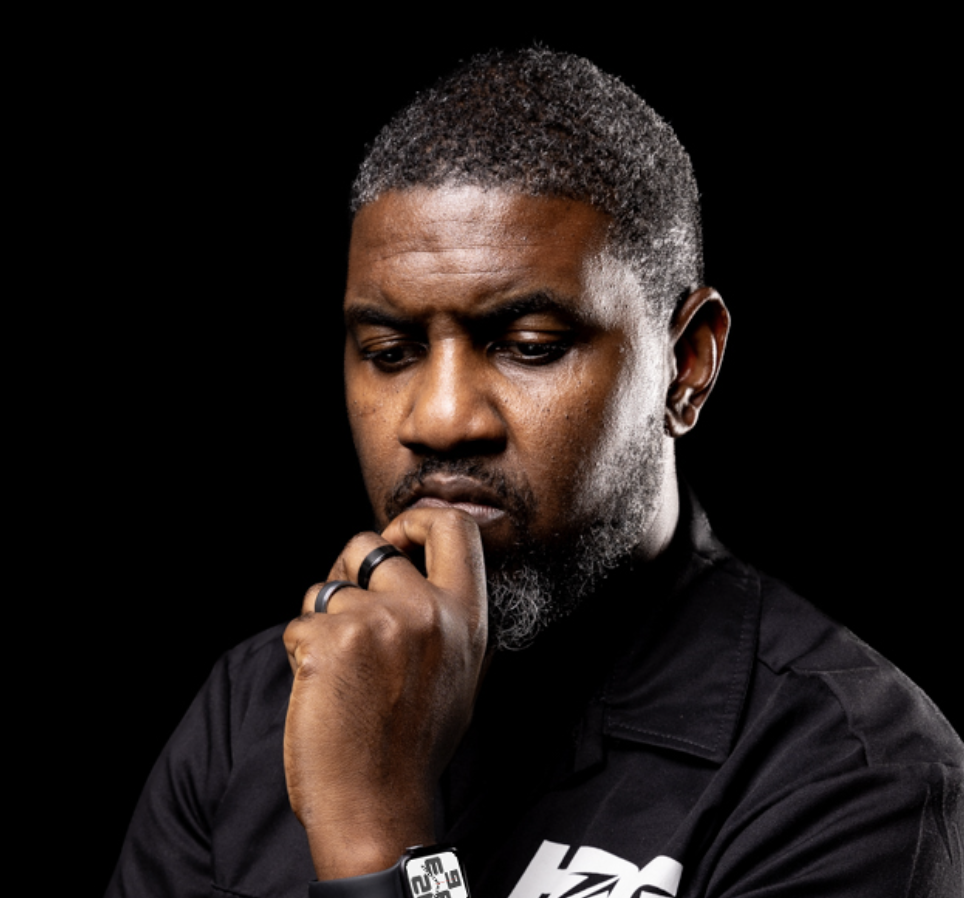
Derek Watford
Founder, High Point Gamer
Many community organizations say they want to scale. Serve more people. Expand into more neighborhoods. Launch new locations. Increase impact. Grow revenue. Attract larger partners.
But when growth stalls, the explanation is often the same: "We need more money." "We need better software." "We need more staff." Those things may help. But in many cases, they are not the real problem.
The real barrier to scale is usually not technology. It is system design.
Why Good Organizations Get Stuck
Many community organizations are built around effort, not infrastructure. They rely on a few key people holding everything together, informal processes, heroic staff effort, custom decisions every day, founder memory instead of documented systems.
That can work at a small level. It often breaks at scale. Because what works for 50 people may fail at 500. What works in one building may collapse in three locations.
The Common Misdiagnosis
When growth becomes difficult, organizations often assume they need more resources — new software, new grants, new hires, new buildings. But if weak systems remain underneath, growth only multiplies inefficiency.
"Scale amplifies structure. Good or bad."
What Scalability Actually Means
Scalability is the ability to grow output without proportionally increasing chaos. That means your organization can serve more people, generate more value, and expand reach while staying functional. True scalability usually requires:
- —Clear processes and repeatable operating models
- —Measurable outcomes and defined roles
- —Reliable training and communication systems
- —Revenue logic and quality control
- —Transferable culture
That is not a software purchase. That is architecture.
Growth vs. Scale
Growth
More activity — more participants, more events, more staff, more expenses.
Can be chaotic.
Scale
More output with stronger efficiency — more locations with shared standards, more revenue with better margins, more impact with less dependency on heroes.
Intentional.
What to Fix Before You Expand
Before adding another program, building, or city, ask these six questions:
01 — Is the model repeatable?
Can another team run it successfully?
02 — Is the process documented?
Or does everything live in one person's head?
03 — Are outcomes measurable?
Can you prove value consistently?
04 — Is staffing structured?
Or does everything depend on extraordinary individual effort?
05 — Is revenue diversified?
Or would one setback destabilize everything?
06 — Is culture transferable?
Would a second location feel like the same organization?
The Skills Lab Example
A lab with computers is not scalable by itself. What becomes scalable is the operating model behind it — check-in systems, rotational usage models, staff roles, program schedules, partnership packaging, content systems, sponsorship logic, youth engagement frameworks.
Key Takeaway
The room is not the product. The system is. That distinction matters.
What Technology Should Actually Do
Technology matters — but only after system clarity. Tech should support automation, reporting, scheduling, communication, CRM workflows, standardization, and efficiency.
Technology should accelerate a good model. It cannot rescue a broken one.
"Do we need more resources — or a better system?"
Final Thought
If your organization keeps saying "we just need more resources," pause and ask a better question. Because scalability is rarely blocked by lack of technology.
It is usually blocked by lack of architecture.
About the Author
Derek Watford
Derek Watford is the founder of High Point Gamer and a systems architect focused on building infrastructure that converts community engagement into economic opportunity. He speaks, writes, and deploys.
Book a Strategy Call arrow_forward