What a Deployment Actually Looks Like
A launch creates visibility. A deployment creates sustainability. Here is what the difference looks like in practice — and why it matters for every organization building something real.
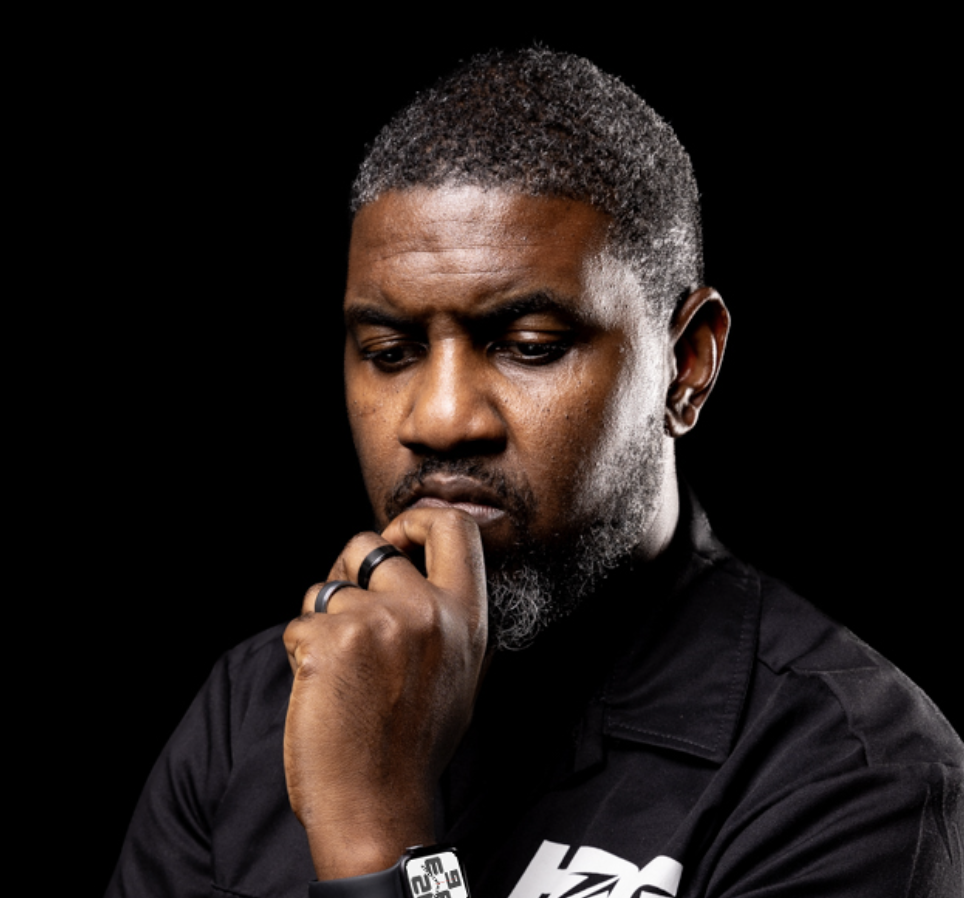
Derek Watford
Founder, High Point Gamer
People often celebrate launches. Ribbon cuttings. Press releases. Grand openings. Social media photos. But the real value of any initiative is not the launch. It is what happens after the excitement fades.
That is why at High Point Gamer, we focus on deployment, not just ideas. Because a deployment is not an event. A deployment is the process of turning a concept into a functioning system that creates results over time.
Most Organizations Confuse Launches With Success
Many groups announce new initiatives with energy and optimism. But months later, common problems begin:
- —Equipment sits unused
- —Attendance declines
- —Staff loses momentum
- —Programming becomes inconsistent
- —No revenue model exists
- —No data is tracked
- —The initiative becomes dependent on constant rescue
"A launch creates visibility. A deployment creates sustainability."
What We Mean by Deployment
Deployment is the full process of building a system that can operate in the real world. That means moving from concept to consistent execution. It includes:
- —Strategy and space planning
- —Technology setup and workflow design
- —Staffing systems and programming architecture
- —Marketing systems and revenue strategy
- —Partnership alignment and performance tracking
- —Continuous optimization
Deployment is where ideas become operational.
The HPG Deployment Framework
We approach deployments in six stages.
Stage 01
Discovery
Before anything is installed or announced, we ask the right questions: Who is this for? What problem does it solve? What outcomes matter most? What assets already exist? What would sustainability require?
This prevents expensive mistakes later. Many failures begin by skipping this step.
Stage 02
Design
Now the system is architected — room layouts, equipment plans, user flow design, program models, staffing structure, brand positioning, community engagement plans.
The goal is not to look impressive. The goal is to function effectively.
Stage 03
Build & Setup
This is where the physical and digital environment comes together. PCs installed. Consoles configured. Streaming systems tested. Studios activated. Forms and workflows created. Scheduling systems launched. Branding applied.
Good systems feel smooth from day one.
Stage 04
Activation
Now the public sees the deployment — but activation is more than opening the doors. It includes launch events, user onboarding, early programming, social content, community buzz, and strategic partnerships.
This stage creates momentum. But momentum must be captured, not wasted.
Stage 05
Operations
This is where real success is determined. Are people returning? Is the space being utilized? Are staff operating efficiently? Are outcomes being measured? Is revenue being generated? Is demand growing?
Most outsiders never see this phase. But this phase is the business.
Stage 06
Optimization
Strong deployments evolve — improving scheduling, staffing, programming mix, revenue opportunities, sponsorship packaging, technology upgrades, and user experience.
A deployment is never "finished." It should continuously improve.
Real Example: Skills Lab
The Skills Lab is not simply a room with computers. It is a deployment. That means structured access systems, rotational usage models, youth engagement programming, creator opportunities, robotics and emerging tech integration, community partnerships, sponsorship potential, and workforce pathway alignment.
The visible room is only the surface. The system underneath is what creates value.
Why This Matters
For Organizations
Many schools, nonprofits, and cities invest in assets but not operations. They buy equipment, secure grants, renovate rooms — but assets without deployment strategy often underperform. The smarter move is asking: how will this operate six months from now? What system turns activity into outcomes?
For Brands
Brands often sponsor moments. But the real opportunity is sponsoring systems. A one-day activation may create impressions. A long-term deployment creates recurring visibility, trust, and authentic integration.
For Communities
Communities deserve more than temporary programs. They deserve systems that continue producing opportunity after the cameras leave — environments where youth keep returning, skills keep growing, revenue keeps cycling, and partnerships keep expanding.
"Anyone can announce an idea. Few can deploy one."
Final Thought
At High Point Gamer, we believe success is not measured by launch day energy. It is measured by whether the system still creates value months and years later.
That is what a deployment actually looks like.
About the Author
Derek Watford
Derek Watford is the founder of High Point Gamer and a systems architect focused on building infrastructure that converts community engagement into economic opportunity. He speaks, writes, and deploys.
Book a Strategy Call arrow_forward