From Simulation to FAA: Unexpected Pathways
The skills built through simulation-based gaming align more closely with aviation careers than most people realize. The talent is there — it just needs translation.
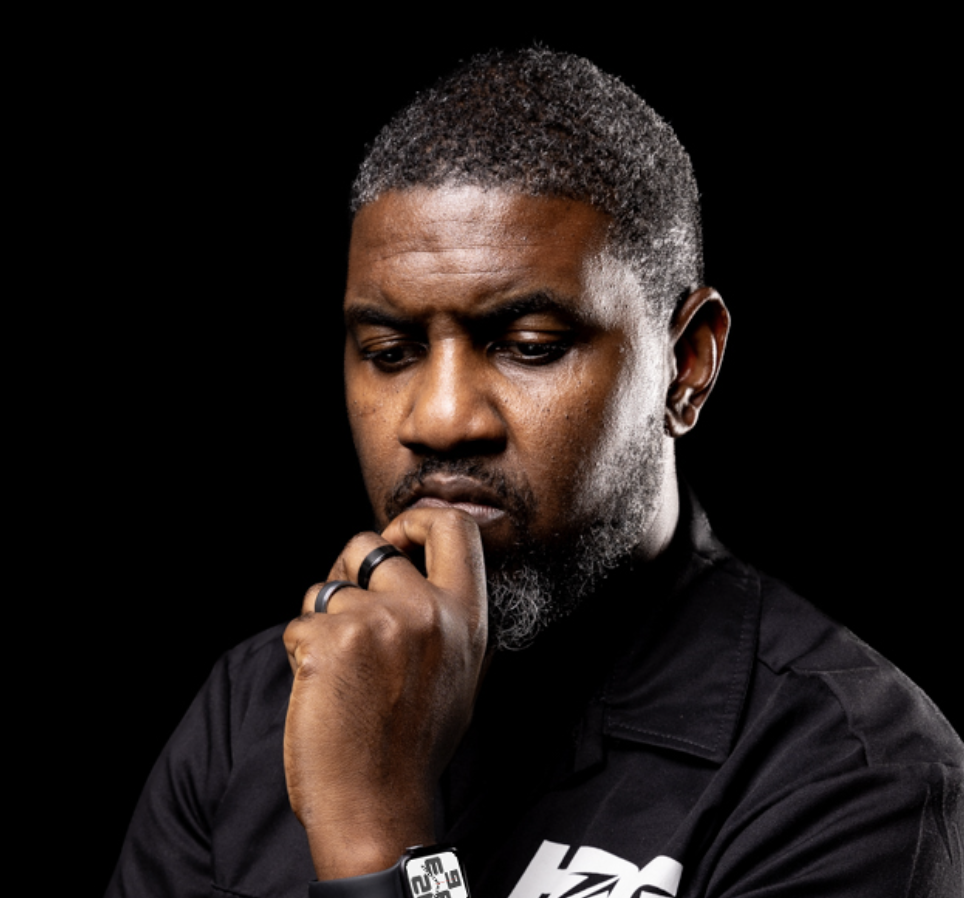
Derek Watford
Founder, High Point Gamer
For years, gaming and simulation have been dismissed as entertainment. Something recreational. Something non-serious. Something separate from real careers.
But a new reality is emerging. Many of the same skills developed through simulation-based gaming environments closely align with competencies needed in aviation and air traffic systems. Conversations around recruiting gamers into FAA-related pathways are gaining serious attention.
And it reveals something much bigger: the future of workforce development may come from places traditional systems have overlooked.
What Simulation Actually Builds
Not all games create the same skills. But simulation-heavy environments — flight sims, strategy games, logistics games, high-speed team coordination titles — can develop competencies that matter in real industries:
- —Rapid decision-making under pressure
- —Spatial awareness and multi-screen attention management
- —Pattern recognition and real-time communication
- —Procedural discipline and resource prioritization
- —Continuous scanning and adaptability under changing conditions
These are not small traits. They are workforce-relevant traits.
Why FAA Pathways Make Sense
Aviation environments require people who can monitor multiple variables at once, stay calm under pressure, process incoming information quickly, communicate clearly in real time, follow systems and procedures, maintain focus over long periods, and make fast judgment calls with consequences.
The Insight
Gaming does not replace formal training. But it may reveal hidden readiness. The issue is not lack of ability — it is lack of translation.
"Talent often develops outside traditional systems before traditional systems know how to recognize it."
The Bigger Lesson: Talent Is Often Misidentified
Traditional workforce systems look for GPA, prior industry experience, formal credentials, and conventional resumes. Those matter. But they do not capture all capability. Someone who has spent thousands of hours mastering complex simulation systems may possess serious aptitude that never appears on paper. This is why many talent pools remain invisible.
Engagement Before Recruitment
Many younger people are not naturally drawn to traditional job descriptions in aviation, logistics, or technical operations. But they are deeply engaged in gaming, simulation, competitive systems, digital tools, and performance environments.
That means gaming can become an entry point into industries struggling to recruit. Instead of asking young people to care first about the job title, we can begin with environments they already value — then connect that engagement to real pathways.
What Infrastructure-Based Workforce Design Looks Like
Rather than treating workforce development as brochures and classrooms only, infrastructure-based design creates ecosystems where talent can be discovered and developed naturally:
- —Simulation labs and drone training spaces
- —Gaming-based assessment environments
- —Team communication challenges
- —Controller-style attention training modules
- —Career exposure events with real employers
Beyond Aviation
The simulation-to-career concept extends far beyond aviation. It can apply to cybersecurity, logistics, remote operations, robotics, emergency response systems, media production, technical support, drone services, and advanced manufacturing interfaces.
Anywhere complex systems meet human decision-making, overlooked gamers may hold transferable potential.
Example: A Skills Lab in Action
Imagine a young person enters a lab for gaming. They compete, collaborate, and use systems. Over time they are introduced to flight simulation, drone controls, broadcast operations, technical troubleshooting, leadership roles, and communication under pressure.
Eventually they realize: "I'm not just good at games. I may be good at real systems." That realization can change a life.
What Employers and Communities Should Learn
For Employers
Industries facing shortages should ask: are we recruiting where talent traditionally comes from — or where talent is actually developing today? Those are different places. The next generation of capable workers may already be training, just under different labels.
For Communities
With proper infrastructure, gaming can become a confidence builder, a talent identifier, a training bridge, a workforce gateway, and a reason youth stay engaged long enough to discover bigger possibilities. That is strategic opportunity.
"From simulation to FAA is not strange. It is a preview."
Final Thought
The story is not really about gamers entering FAA pathways. It is about a larger truth: talent often develops outside traditional systems before traditional systems know how to recognize it.
The organizations that learn to identify, translate, and develop that talent earliest will win the future workforce race.
About the Author
Derek Watford
Derek Watford is the founder of High Point Gamer and a systems architect focused on building infrastructure that converts community engagement into economic opportunity. He speaks, writes, and deploys.
Book a Strategy Call arrow_forward